
The Nature of Luck in Gambling
Luck is often perceived as a spontaneous occurrence, a force that can either make or break a player’s experience in a casino. In gambling, luck is the unexpected element that can lead to significant wins or devastating losses. Many players attribute their success at the gaming table or during a spin of a slot machine to a stroke of good fortune. However, the question remains: is luck a tangible factor that impacts outcomes, or is it merely a psychological comfort that gamblers lean on during their experiences? Many enthusiasts also explore various strategies to enhance their chances, including researching reputable betting sites that offer favorable odds and promotions. This duality of luck as both a real force and a psychological construct is what makes it so intriguing in the gambling world.
The belief in luck can significantly affect a player’s mindset, influencing their choices and strategies while gambling. For instance, a player may feel more confident and willing to take risks when they believe they are “on a lucky streak.” This psychological aspect of luck can create a self-fulfilling prophecy, as one’s perception of luck can indirectly shape the outcomes they experience. Conversely, when players feel unlucky, they might become more cautious, leading them to alter their betting strategies, which can affect their overall results.
Additionally, the concept of luck varies greatly across cultures and individual beliefs. Some players carry specific tokens or wear certain items of clothing they consider to be lucky. Others may follow rituals before starting to play, believing these actions could influence their chances of winning. This cultural dimension adds another layer of complexity to the discussion of luck in gambling contexts, as it reveals how diverse beliefs can have an impact on gambling behavior. Understanding these cultural nuances can provide insights into why certain players experience luck differently than others.
The Role of Chance in Casino Games
While luck plays a significant role in the gambling world, it’s essential to understand that most casino games are designed around chance. Games such as blackjack, roulette, and slots operate on mathematical probabilities that determine the likelihood of winning or losing. Players who seek to understand these odds can make informed decisions that enhance their overall experience, regardless of the element of luck involved. For instance, knowing the house edge can help a player choose games with better odds, allowing them to strategize their gameplay more effectively.
Chance dictates that every spin of a slot machine or roll of the dice is independent of previous outcomes. This means that no streak of wins or losses can guarantee future results, a concept often misunderstood by casual gamblers. Therefore, while luck may seem to play a central role, the mechanics of chance remind players that every result is random, emphasizing the importance of understanding the probabilities involved. This distinction is crucial for players who want to navigate the gambling landscape with a realistic perspective.
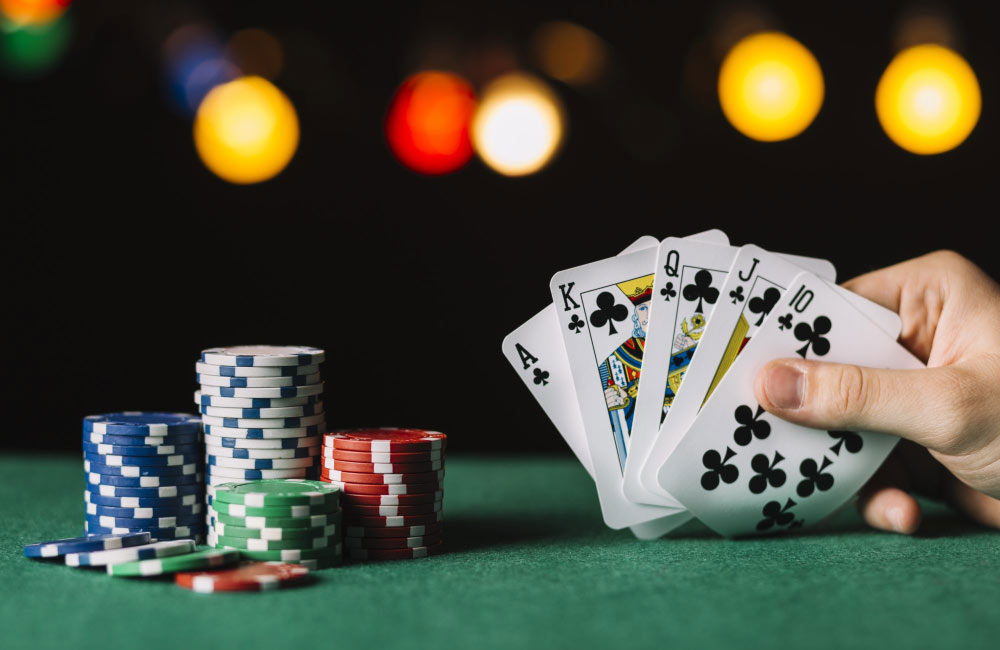
Moreover, skilled players who employ strategies based on probability can sometimes mitigate the sheer randomness of their gameplay. By applying techniques such as card counting in blackjack or understanding betting systems in roulette, players can enhance their chances of beating the odds. However, even the most skilled players cannot escape the element of chance inherent in casino games, and luck will always remain a contributing factor to the overall experience. Recognizing this balance between skill and luck is essential for players aiming to improve their outcomes.
The Psychological Impact of Luck
The psychological impact of luck is profound in a casino environment. Players often experience the “gambler’s fallacy,” a belief that past events influence future probabilities. For example, if a player has experienced several losses, they may believe that a win is “due” soon, skewing their judgment and leading them to bet larger amounts than they normally would. This psychological factor highlights how perceptions of luck can influence betting behaviors and overall decision-making, creating an environment where players may act irrationally based on their beliefs.
Furthermore, the euphoric feeling associated with a lucky win can create addictive tendencies. Players who experience a substantial win may chase those feelings, leading to increased gambling activity often based on the misguided notion that they can replicate their luck. This creates a cycle where the thrill of winning becomes intertwined with the expectation of future luck, potentially leading to harmful gambling behaviors. Understanding this cycle is crucial for players who want to maintain a healthy relationship with gambling.
Additionally, the social aspect of gambling introduces another facet of luck’s psychological influence. Sharing stories of lucky wins or strategies with fellow players can enhance one’s belief in luck. Social interactions at the gaming tables often encourage players to develop communal narratives about luck, which can impact group dynamics and betting patterns. These shared beliefs can create a unique environment where the collective perception of luck influences individual behavior and attitudes toward gambling, fostering a sense of community that can amplify the psychological effects of luck.
The Realities of Casino Economics
Beyond the notions of luck and chance, it’s crucial to recognize the economics of casinos. Casinos are businesses designed to generate profit, and they achieve this by implementing a mathematical advantage in their games, often referred to as the “house edge.” This fundamental principle ensures that over time, the casino will always come out ahead, regardless of individual lucky streaks. Understanding this concept can help players approach their gambling experience with realism, seeing luck as only one part of a broader equation that includes skill and the inherent advantages of the house.

Moreover, the casino’s design and atmosphere are intentionally crafted to keep players engaged and spending. From the flashing lights of slot machines to the sounds of chips and cards at tables, these elements create a stimulating environment that can make players feel fortunate, even when their outcomes do not reflect the notion of luck. Casinos leverage psychological principles to enhance the experience, ultimately benefiting from the reliance on luck experienced by their patrons. This manipulation of environment plays a significant role in shaping players’ perceptions of their gambling outcomes.
It’s also worth noting that the experience of “luck” can differ based on the game’s structure and rules. Players might feel fortunate playing games with lower house edges or higher odds, while they may find themselves disillusioned by games that skew heavily in favor of the house. By choosing their games wisely and understanding the mechanics, players can potentially create more favorable circumstances for themselves, even in a luck-driven environment. This strategic approach can make a significant difference in how players perceive their luck and overall success in gambling.
Exploring Resources and Communities
For those interested in diving deeper into the world of luck and gambling, various online resources and communities cater to enthusiasts seeking to refine their understanding of the experiences that casinos offer. Articles, forums, and expert insights can provide valuable information about strategies, odds, and psychological aspects of gambling. Engaging with others who share similar interests can enhance one’s understanding and help players navigate the complexities of luck in casino settings. These resources can empower players to approach their gambling experiences more knowledgeably and strategically.
Moreover, many websites offer simulations and free games that allow players to practice and hone their skills without risking their money. These platforms often feature tools and resources that educate on game mechanics, helping players to grasp how luck intertwines with strategy and probability. Such educational tools can empower players to approach gambling with a balanced perspective that acknowledges both luck and skill, fostering a healthier approach to their gaming activities.
Ultimately, the exploration of luck in casinos is not just about winning or losing; it is an intricate blend of psychology, probabilities, and personal experiences. As players engage with these themes, they can develop a more nuanced understanding of how luck manifests in their gameplay, enriching their overall gambling experience. This understanding can lead to more responsible gambling practices and a greater appreciation for the complexities involved in casino gaming.