
The Allure of Casinos
Casinos have an undeniable charm, captivating individuals with their dazzling lights, alluring sounds, and the promise of adventure. This magnetic allure is rooted in various psychological factors that entice people into the gambling environment. For many, the excitement of risk-taking coupled with the chance of hitting a jackpot creates an intoxicating blend. The sensory experience inside casinos—ranging from the clinking of coins to the vibrant decorations—intensifies this allure, making it challenging for visitors to resist the gaming temptations that await them, especially when they explore options like 1win for online play and exclusive promotions.
Moreover, casinos are carefully designed to foster prolonged engagement. The absence of clocks and windows creates an environment where players lose track of time, allowing them to indulge in gaming for hours unceasingly. This layout is complemented by a continuous stream of enticing rewards, such as complimentary drinks and enticing promotions, which keep players engaged. The atmosphere cultivates a sense of escapism, allowing individuals to forget their daily concerns and immerse themselves in the thrill of the games.
Another significant aspect of the casino experience is its social dimension. Many patrons revel in the camaraderie that emerges when they share in the excitement of a win or the disappointment of a loss. Whether at a table game or a slot machine, the communal aspect of gambling fosters connections among players, enriching their experience. This social interaction adds an extra layer to the psychological appeal of casinos, where individuals bond over their experiences, share stories, and navigate the emotional highs and lows of gambling together.
The Mechanics of Addiction
The psychology of addiction plays a critical role in how individuals engage with casino gambling. Many people enter casinos with the intention of having a good time, but the inherent mechanisms of gambling can set off a cycle of addiction. The thrill associated with winning, even if it occurs infrequently, triggers the release of dopamine in the brain—an essential chemical linked to pleasure and reward. This chemical response can lead to repeated gambling behaviors as individuals chase the euphoric feelings that accompany wins.
Furthermore, the phenomenon known as “near misses” profoundly impacts players’ psychology. A near miss occurs when a player almost wins but ultimately loses, often triggering strong emotional reactions. Research indicates that these near misses can create a false sense of control, leading players to believe they are closer to winning than they genuinely are. This illusion can compel them to continue gambling, often resulting in negative financial repercussions and deepening their entrapment in the gambling cycle.

The stigma surrounding gambling addiction poses additional challenges to understanding its psychology. Many gamblers may not recognize their behavior as problematic, often attributing losses to bad luck or viewing them as temporary setbacks. This denial can hinder individuals from seeking help and acknowledging the detrimental impacts that gambling may have on their lives. The psychological trap of believing that they can recover their losses through further gambling only reinforces the cycle of addiction, making it increasingly difficult to break free.
The Role of Cognitive Biases
Cognitive biases, which are systematic errors in thinking, profoundly influence gambler behavior and decision-making. A prevalent cognitive bias in gambling is the illusion of control, where players mistakenly believe they can affect the outcome of games of chance through skill or strategy. This belief is particularly prominent in games like poker and blackjack, where players often perceive their decisions as impactful, despite the randomness inherent in these games.
Another significant cognitive bias is the gambler’s fallacy, which leads individuals to assume that past outcomes can influence future events. This erroneous belief can create a compelling narrative, encouraging individuals to think that a win is “due” following a series of losses. Such thinking can lead to persistent gambling behavior, even when the odds are clearly against them. It illustrates how gamblers often neglect statistical realities, further entrenching them in a cycle of unwise decision-making.
Additionally, confirmation bias plays a critical role in gambling behavior. Gamblers tend to focus on information that confirms their beliefs about their success while disregarding evidence of their losses. For instance, a player might dwell on a significant win while conveniently forgetting the many losses that preceded it. This selective memory reinforces the belief that they are skilled gamblers, which can perpetuate continued gambling despite accumulating losses. Understanding these cognitive biases is essential for anyone looking to make informed choices regarding their gambling activities.
Impact of Environment and Marketing
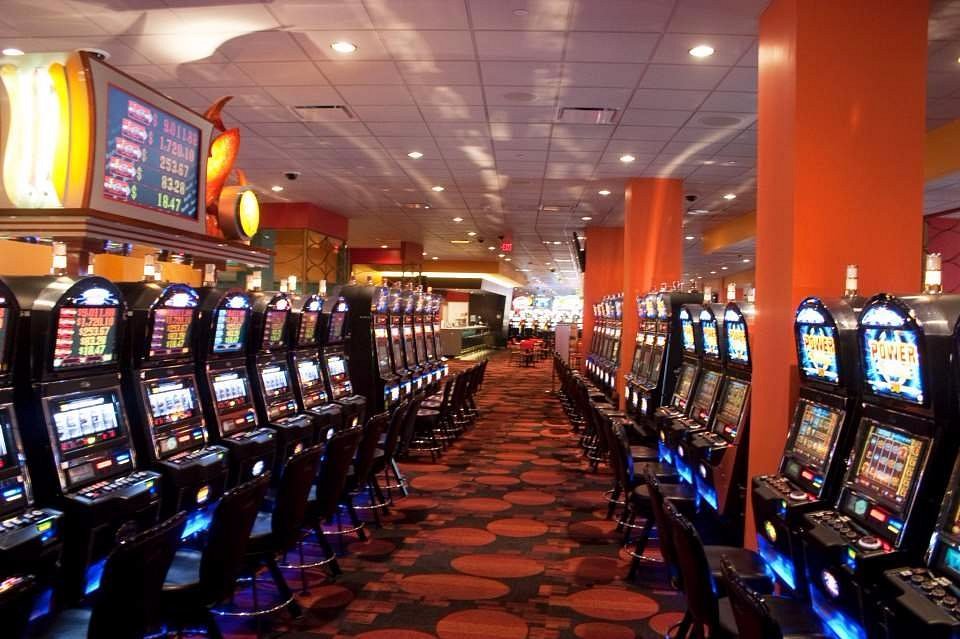
The environment in which gambling occurs greatly impacts a player’s psychological state. Casinos employ an array of strategies—from ambient music to vibrant lighting—to cultivate an atmosphere of excitement and potential. The strategic arrangement of games and the overall layout of the casino floor encourage individuals to engage more actively, often leading players to wander from one game to another, captivated by the surrounding environment.
Marketing strategies are equally influential in shaping perceptions about gambling. Many casinos utilize promotional tactics such as loyalty programs, enticing bonuses, and complimentary services to draw in and retain players. These promotions can be particularly alluring during vulnerable moments, making it difficult for individuals to resist the appeal of “free” rewards, which often lead to prolonged gambling sessions and increased expenditure.
The portrayal of gambling in advertising often romanticizes the experience, depicting it as an exhilarating and glamorous endeavor. This skewed representation can mislead individuals regarding the risks associated with gambling, leading them to underestimate potential losses while overestimating their chances of winning. By crafting a misleading narrative around gambling, advertisements can perpetuate myths and misconceptions, drawing more people into the gambling sphere without a full understanding of the psychological implications of their choices.
Responsible Gambling Strategies
In light of the complexities surrounding gambling psychology, emphasizing responsible gambling strategies is crucial. Understanding the psychological factors at play empowers individuals to make more informed choices about their gambling habits. Setting limits on both time and money is essential for maintaining control and preventing excessive losses. Many casinos now provide tools for self-exclusion and monitoring, helping players recognize when it might be necessary to take a step back.
Educational initiatives aimed at raising awareness about the risks associated with gambling can also prove to be powerful deterrents. By informing potential gamblers about the psychological factors contributing to addiction, they can better grasp the importance of moderation and mindfulness in their gaming habits. Support systems, including counseling and support groups, play a vital role in assisting those grappling with gambling addiction, allowing them to confront and address their challenges in a safe environment.
Ultimately, fostering a culture of responsible gambling necessitates collaboration among casinos, regulators, and players alike. By prioritizing awareness and implementing effective strategies, the gambling community can create a safer atmosphere where individuals can enjoy the thrill of the games without succumbing to the negative psychological effects. This collective responsibility ensures a sustainable future for the industry while placing a premium on players’ well-being, allowing them to engage in gambling with a healthy mindset.